

Key Takeaways
- Memory care and skilled nursing serve different purposes—memory care focuses on cognitive support while skilled nursing provides medical treatment.
- Memory care offers specialized environments and activities designed for dementia and Alzheimer’s conditions.
- Skilled nursing provides around-the-clock medical care and rehabilitation services.
- Your loved one’s specific needs determine which type of care works for them.
Memory Care and Skilled Nursing Serve Different Purposes
When a loved one needs more support, understanding the difference between memory care and skilled nursing can feel overwhelming. Both provide essential care, but they are designed for very different situations. Choosing the right option depends on your loved one’s health, cognitive condition, and overall quality-of-life needs.
Memory care is not considered skilled nursing. It is a specialized form of senior living focused on supporting individuals with dementia, Alzheimer’s disease, and other memory-related conditions. Skilled nursing, by contrast, is a medical model of care designed for people who require continuous clinical supervision and complex treatments.
Understanding these differences can help you make a confident, informed decision that supports your loved one’s safety, dignity, and wellbeing.
How Memory Care and Skilled Nursing Differ in Purpose
Memory care is centered on cognitive support and emotional wellbeing. The goal is not just to treat medical conditions, but to help residents navigate memory loss while maintaining a sense of routine, comfort, and connection. Staff members receive specialized dementia training to understand behavioral changes, reduce resident anxiety, and help encourage engagement throughout the day.
Skilled nursing serves a medical purpose. These communities provide 24/7 nursing care for individuals with serious health conditions, injuries, or post-hospital recovery needs. Medical professionals administer treatments such as injections, IV therapy, wound care, and ongoing clinical monitoring. The setting often feels more like a healthcare facility than a home.
While both memory care and skilled nursing offer personalized care plans, the focus is very different. Memory care prioritizes daily quality of life and cognitive support, while skilled nursing prioritizes medical stability and treatment.
What Memory Care Provides for Your Loved One
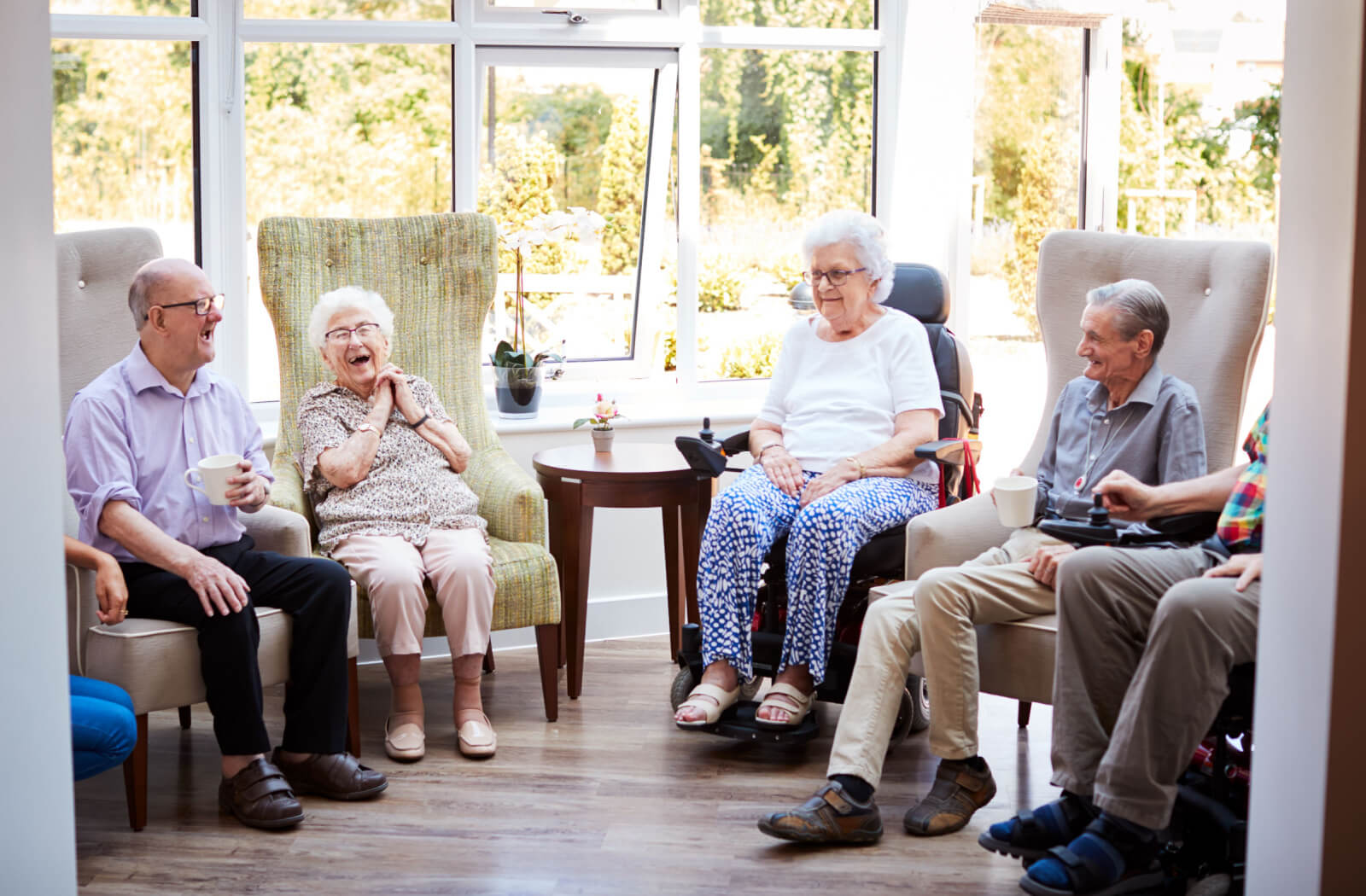
Memory care communities are intentionally designed to support residents living with dementia or Alzheimer’s disease. From the physical layout to daily programming, every detail is meant to reduce confusion and promote a sense of security.
Residents benefit from:
- Secure, easy-to-navigate environments that allow safe movement
- Structured daily routines that reduce anxiety and agitation
- Activities designed to engage long-term memory, creativity, and emotion
Music therapy, art, gentle exercise, and sensory activities are commonly used because they tap into abilities that often remain strong even as short-term memory fades. Familiar songs, meaningful conversations, and hands-on experiences help residents stay connected to themselves and others.
Memory care staff are trained to redirect behaviors with patience and compassion. They offer cues for daily tasks, provide reassurance during moments of confusion, and create meaningful moments of joy throughout the day. The result is a supportive environment that feels calm, respectful, and dignified.
What Skilled Nursing Offers
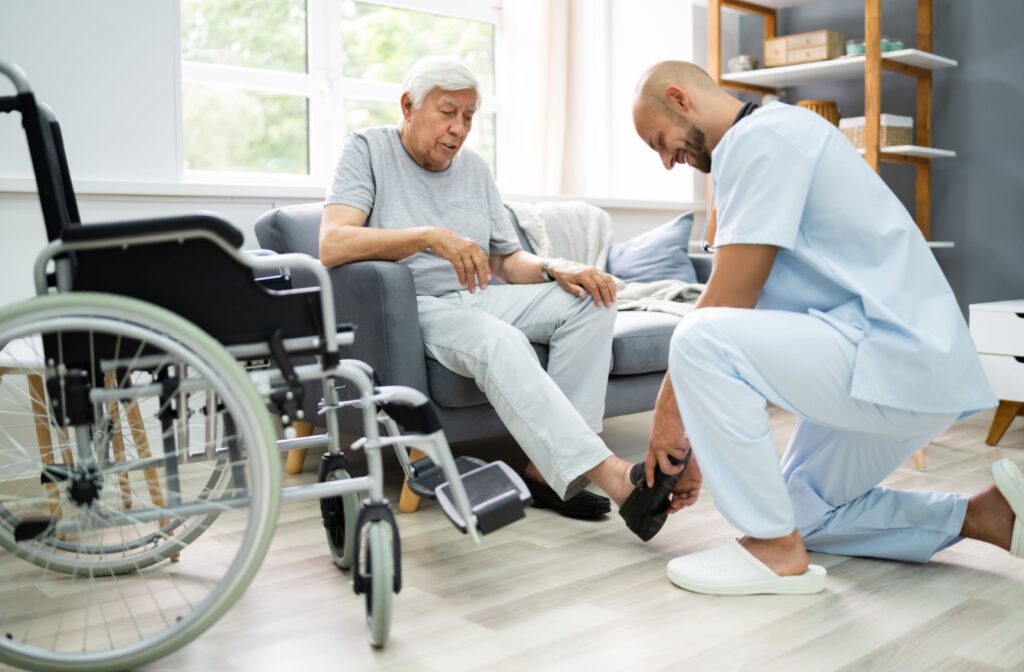
Skilled nursing provides a higher level of medical care than other senior living options. Licensed nurses are available around the clock to monitor health conditions, administer medications, and respond to medical needs as they arise.
Your loved one may require skilled nursing care if they:
- Need rehabilitation after surgery or hospitalization
- Require wound care or IV medications
- Have complex medical conditions that need constant monitoring
Skilled nursing communities also offer on-site physical, occupational, and speech therapy. These services help residents recover strength, mobility, and independence after illness or injury. The care team typically includes registered nurses, licensed practical nurses, and certified nursing assistants working closely with physicians.
While skilled nursing is essential for medical recovery and treatment, it is not designed to address the behavioral and emotional challenges of dementia in the same way memory care does.
How to Choose the Right Care Option
The most important factor in choosing between memory care and skilled nursing is your loved one’s primary need. If memory loss is the main concern and medical needs are manageable, memory care often provides the most appropriate and comfortable level of support.
Consider your loved one’s:
- Cognitive condition and behavioral needs
- Ability to manage daily routines safely
- Level of required medical supervision
Memory care teams specialize in working with individuals who experience confusion, agitation, or changes in behavior. These environments are designed to feel familiar and reassuring rather than clinical.
If your loved one requires ongoing medical treatment, rehabilitation, or constant nursing supervision, skilled nursing may be necessary—either temporarily or long term. In some cases, individuals may transition between levels of care as their needs change.
How Peregrine Senior Living at Onondaga Hill Supports Your Family
At Peregrine Senior Living at Onondaga Hill, we understand that choosing memory care means finding a place where your loved one can continue to grow and find joy. Our approach through The Peregrine Way focuses on preserving long-term experiences while creating new positive moments.
You can join your loved one for meals at no extra charge, participate in family events, and stay connected through support programs. We also offer respite care when you need a temporary break from caregiving or want to help your loved one transition gradually to memory care.
Schedule a tour today to see how we can help your loved one thrive in their supportive memory care community.








We had a beautiful outing to Skaneateles lake for a boat tour and lunch! Thank you Katie from The Athenaeum of Skaneateles for having us join you guys. We all had a truly amazing time. ... See MoreSee Less
2 CommentsComment on Facebook
Assisted living means having the support you need while maintaining the independence you value.
Our team is here to provide personalized care in a way that respects each resident’s preferences and lifestyle.
The right support empowers individuals to live confidently and comfortably every day.
peregrineonondaga.com/ ... See MoreSee Less
0 CommentsComment on Facebook
Next week is National Assisted Living week and we can not wait for all the festivities 🥳💃🕺🍦🍭🍿 ... See MoreSee Less
0 CommentsComment on Facebook
What an excellent outing today for watermelon ice cream, a visit with the puppies and some fun time at the park! ... See MoreSee Less
0 CommentsComment on Facebook
Everyone is having a great time making collages. ... See MoreSee Less
0 CommentsComment on Facebook
This Labor Day, we recognize and appreciate the dedication and hard work that help our communities thrive.
We’re especially grateful for the team members who bring compassion, commitment, and care to everything they do.
Today, we celebrate and thank all those who have worked to make a difference. ... See MoreSee Less
0 CommentsComment on Facebook
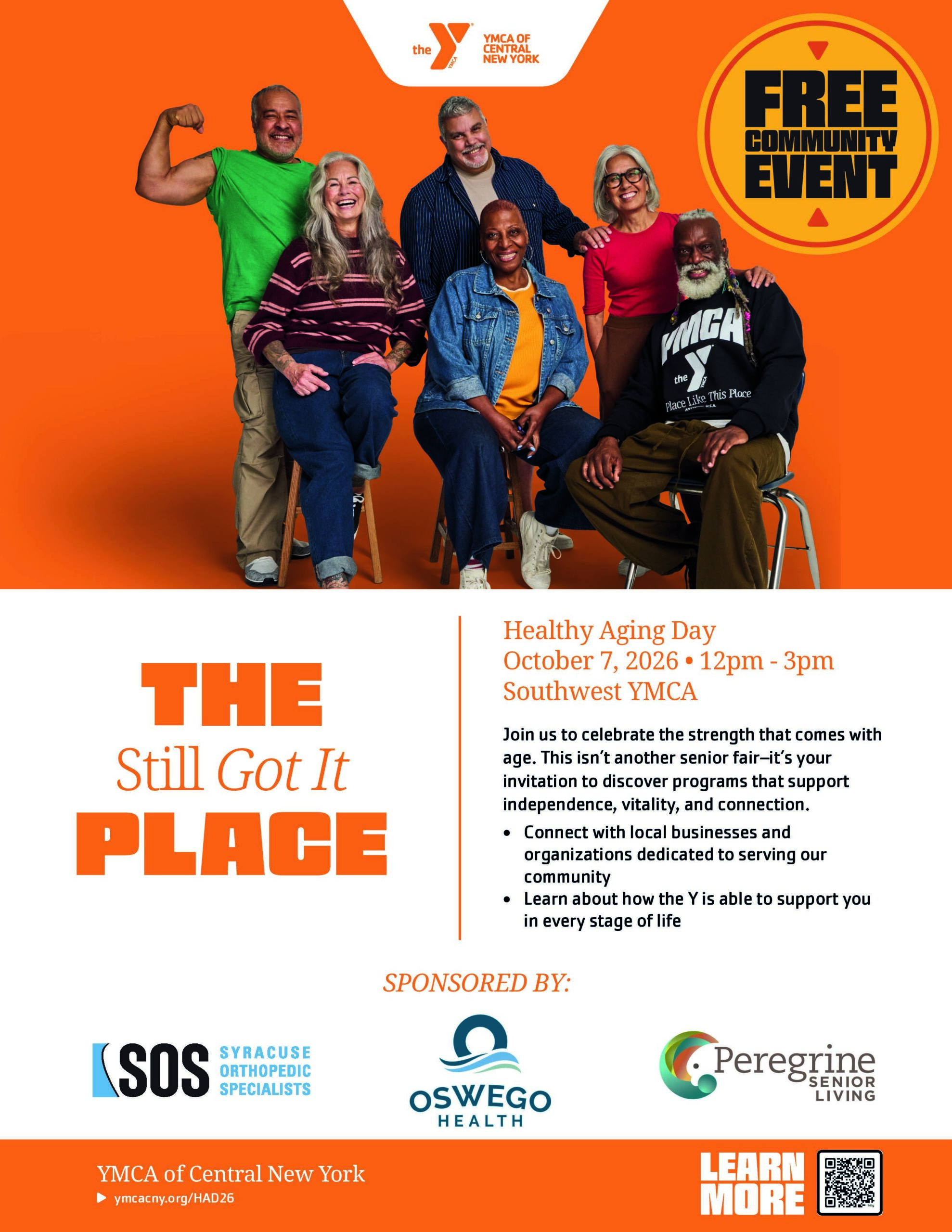
💙 Healthy aging is worth celebrating!
Join us for the YMCA of Central New York’s Healthy Aging Day! 🎉
This isn’t just another senior fair! Come spend the day connecting with local businesses and organizations, learning about resources in our community, and discovering ways to stay active, independent and connected at every stage of life. 💪✨
📅 October 7, 2026
⏰ 10 AM – 1 PM
📍 YMCA of Central New York
Come say hi, explore what’s available in our community, and celebrate the strength that comes with age! 💙
We hope to see you there! 😊 ... See MoreSee Less
0 CommentsComment on Facebook