

Key Takeaways
- Early cognitive changes can be subtle, but timely support makes a meaningful difference in quality of life.
- Memory care uses person-centered plans and enriching activities to support cognitive well-being.
- Family involvement plays a significant role in a loved one’s daily sense of connection and comfort.
- Respite care offers a gentle, low-pressure introduction to professional memory care support.
- Touring a senior living community can help families feel confident in their next steps.
Recognize the Signs of Cognitive Change
You may have noticed something feels a little different with your loved one lately. Maybe they repeat the same question twice in one conversation, seem confused in familiar places, or struggle to follow through on tasks they once handled with ease. These moments can be unsettling, and knowing what to do next isn’t always clear.
Early cognitive intervention means recognizing those changes and connecting your loved one with the right support before challenges become overwhelming. There’s a real difference between occasional forgetfulness, which is a natural part of aging, and a consistent pattern of cognitive decline.
When changes begin to affect daily life, exploring memory care and dementia care options in a supportive senior living community sooner rather than later can lead to a noticeably better quality of life for everyone involved.
How Memory Care Supports Cognitive Well-Being
Person-Centered Care Plans
No two people experience cognitive change in the same way. A strong memory care approach starts with understanding who your loved one is, their history, their preferences, and what brings them joy. Care plans built around the individual, not a diagnosis, help residents feel seen and valued every single day.
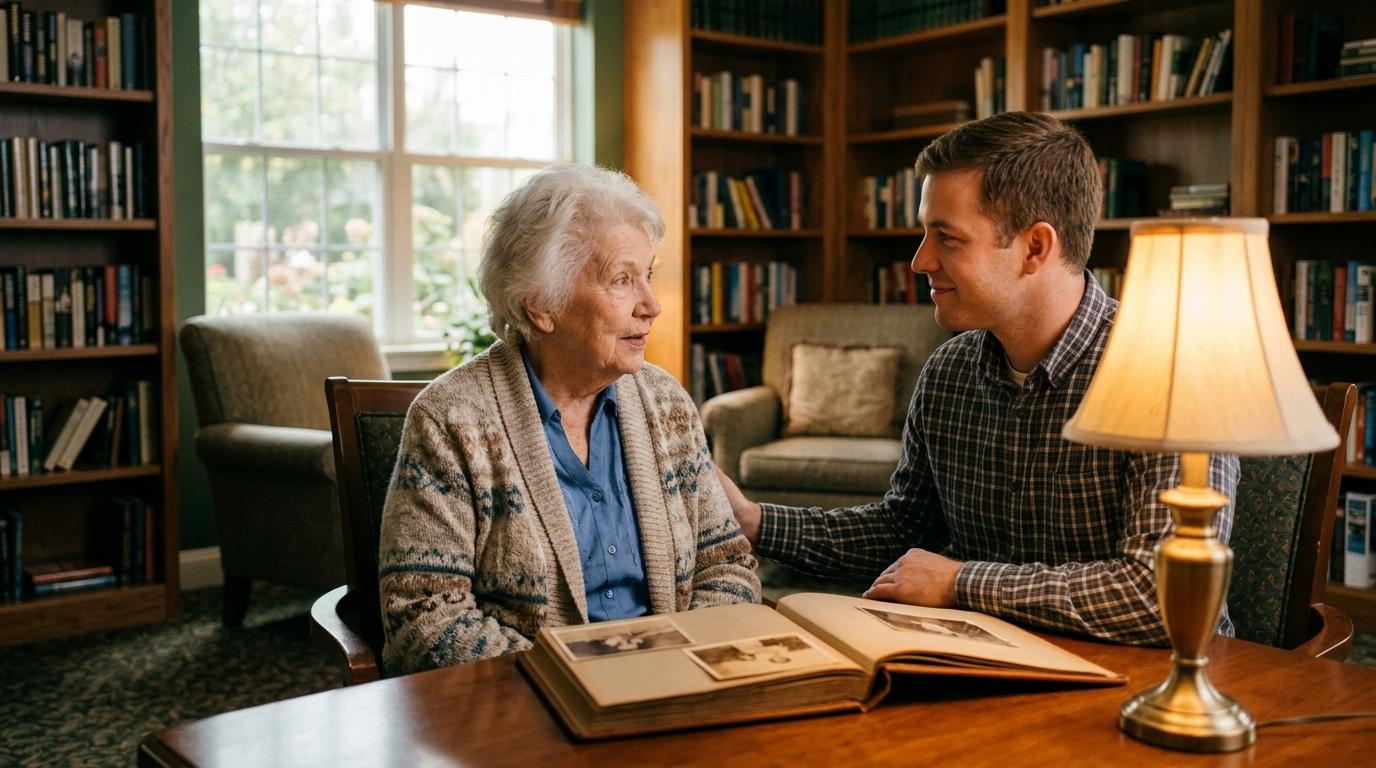
Long-term memories often remain vivid even when short-term recall becomes harder. A thoughtful dementia care approach draws on those deep-rooted memories to create meaningful moments of connection. When a resident hears a familiar song or talks about a place they loved decades ago, something lights up. That connection is at the heart of what person-centered care can offer.
Stimulation Through Meaningful Activity
Keeping the mind gently engaged is one of the most supportive things a memory care community can offer. Programs like music rooms, pet therapy, chapels, and exercise classes aren’t just pleasant ways to pass time. They’re thoughtfully designed to encourage spiritual, intellectual, and social growth in ways that feel natural and enjoyable.
Peregrine University, a lecture series developed in partnership with local colleges and organizations, gives residents the chance to keep learning and stay intellectually curious. When a resident attends a lecture and shares what they learned at dinner, that’s a moment of genuine fulfillment. These are the kinds of experiences that make senior living feel like a life fully lived.
The Role of Family in Early Cognitive Support
Your presence in your loved one’s life doesn’t fade when they move into a memory care community. In fact, staying involved is one of the most powerful things you can do to support their well-being. Shared meals, visits during activities, and time spent in comfortable common spaces all help your loved one feel anchored to the people who matter most.
Families are welcome to join residents at mealtime at no extra charge, making it easy to pull up a chair and share something as simple and meaningful as a meal together. Support groups are also available for family members and caregivers who need a space to process their own experiences. You don’t have to carry this alone, and recognizing the signs of caregiver stress early can make a meaningful difference for everyone involved.

Respite Care as an Early Intervention Option
A Gentle Transition Into Professional Support
If you’re not ready to commit to a long-term care arrangement, respite care offers a softer starting point. This short-term care option gives your loved one a chance to experience professional memory care support in a warm, welcoming environment, without the pressure of a permanent decision.
For family caregivers, a respite stay also provides meaningful relief. Caring for someone with cognitive decline is deeply demanding, and taking time to rest is not something to feel guilty about. Short-term care gives both of you a chance to breathe.
What a Respite Stay Looks Like Day-to-Day
During a respite stay, your loved one has access to the same attentive staff, enriching programs, and comfortable spaces that full-time residents enjoy. From the soft warmth of lounge seating to bistro-style dining with familiar faces nearby, the environment is designed to feel calm and welcoming from day one. You can explore the full range of amenities and services available to residents to get a sense of what daily life looks like.
A respite stay can also serve as a gradual transition into memory care, letting your loved one adjust at their own pace. It’s a chance to see how professional support fits into daily life before taking any bigger steps.
Next Steps for Your Family
Starting a conversation about memory care isn’t easy, but approaching it with gentleness and curiosity, rather than urgency, can help your loved one feel respected rather than rushed. Ask open questions, listen carefully, and take things one step at a time.
When exploring senior living options, ask about care philosophies, staff training, and how families stay involved day-to-day. A guide to questions worth asking when choosing a memory care community can help you feel prepared going into those conversations.
At Peregrine Senior Living at Onondaga Hill, every resident is supported as a whole person, with care that honors who they’ve always been. A tour can answer so many of the questions that are hard to put into words. Reach out today to schedule your visit and see the community for yourself.










No more posts